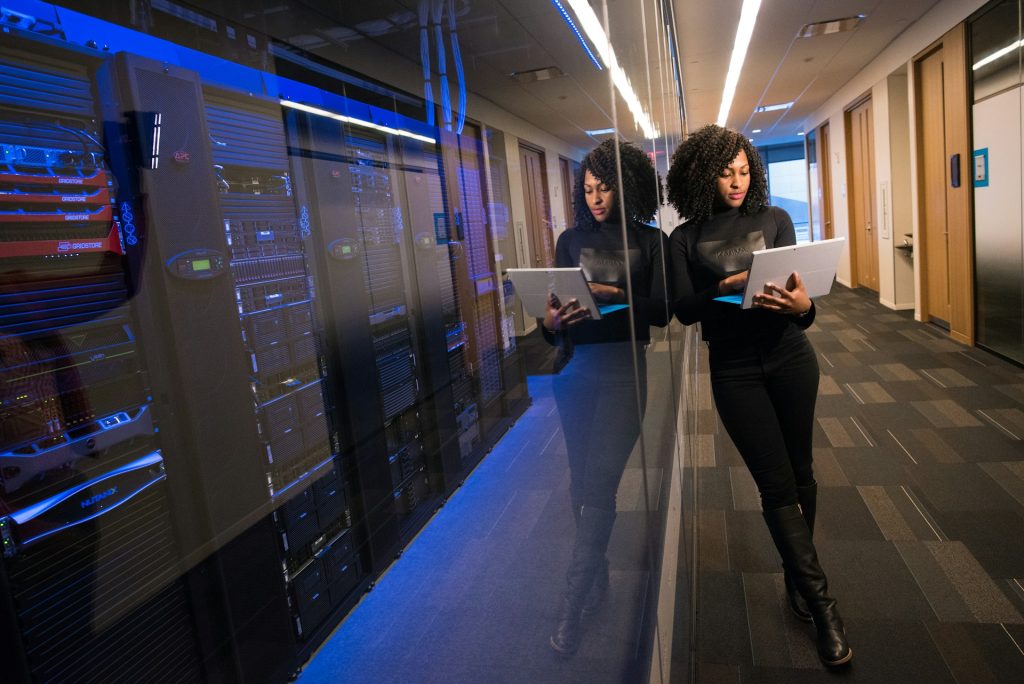
The landscape of technology is in constant flux, and computer hardware is right at the center of that thrilling evolution. As demands grow for faster, smarter, and more energy-efficient devices, innovation never sleeps. The digital frontier of tomorrow is already being paved today by transformative hardware breakthroughs. From AI accelerators to modular components, the hardware trends future experts are tracking now will define the capabilities and aesthetics of next-gen computing.
Let’s explore the most exciting advancements shaping what’s next for our machines.
1. AI-Optimized Processors: Smarter by Design
Artificial intelligence is no longer just a software story. The future of computing is being heavily influenced by AI-driven hardware. Chipmakers are integrating dedicated neural processing units (NPUs) into CPUs and GPUs, enabling edge devices to process AI workloads locally—no cloud required.
Apple’s M-series chips, Intel’s Meteor Lake, and AMD’s Ryzen AI are just the beginning. These processors deliver real-time voice recognition, image enhancement, and predictive modeling, all while being power-conscious. The hardware trends future engineers envision will hinge on AI becoming a core function, not just an add-on.
2. Quantum-Ready Components: Nearing the Edge
Quantum computing still feels like science fiction, but hardware developers are steadily laying the groundwork. Cryogenic-compatible materials, quantum dot interfaces, and ultra-low-latency interconnects are being tested for eventual use in commercial quantum machines.
Even traditional CPUs are starting to adapt to hybrid environments where classical and quantum processing might coexist. This trend signals a monumental shift in how we think about processing power, bringing the hardware trends future into a truly radical new dimension.
3. Chiplet Architecture: Building Blocks of Power
Monolithic processors are slowly giving way to modular, chiplet-based designs. Instead of a single slab of silicon, chiplets allow different processing units—graphics, AI, memory controllers—to be built independently and then assembled on a single substrate.
This approach not only improves performance but reduces waste and production costs. AMD’s use of chiplet architecture in its Ryzen and EPYC lines is leading the charge, and others are quickly following suit. This modularity will be a defining feature of hardware trends future thinkers are already optimizing for.
4. DDR5 and Beyond: Memory Gets Mighty
Memory technology is leaping forward. DDR5 RAM has already doubled the bandwidth and efficiency of its predecessor, and next-gen iterations are pushing limits even further. These high-speed modules are critical for data-heavy applications like gaming, 3D rendering, and scientific computing.
But the real excitement lies in new memory types like MRAM (Magnetoresistive RAM) and HBM3 (High Bandwidth Memory), which promise lightning-fast access speeds and reduced latency. With such innovations, hardware trends future systems will boast responsiveness that feels almost telepathic.
5. PCIe 5.0 and 6.0: The Data Express Lane
As hardware becomes faster and more powerful, the lanes that data travels through must evolve. Enter PCI Express 5.0 and 6.0. These next-gen interfaces double—and then redouble—the speed of their predecessors, allowing GPUs, SSDs, and other peripherals to exchange information with the CPU at unprecedented rates.
This is a game-changer for professionals working with massive datasets or real-time rendering. Expect to see this rapid I/O capability becoming a non-negotiable feature in the hardware trends future of performance computing.
6. Sustainability and Eco-Design: Greener Gear
Eco-conscious engineering is no longer a niche concern—it’s a necessity. Hardware manufacturers are investing in energy-efficient designs, recyclable materials, and reduced-carbon manufacturing processes.
Expect more modular laptops, longer-lasting batteries, and even biodegradable PCB components to enter the mainstream. Sustainability is an essential part of the hardware trends future roadmap, aligning tech progress with environmental stewardship.
7. Advanced Cooling Systems: Keeping It Chill
With more powerful hardware comes more heat. But tomorrow’s cooling solutions are taking a more sophisticated turn. Think vapor chambers, liquid metal compounds, and even exotic options like graphene-based heat sinks.
These thermal innovations don’t just improve performance—they also reduce noise and enhance longevity. In the hardware trends future, temperature regulation will be as innovative as the processors themselves.
8. Edge Computing Hardware: Intelligence at the Source
Centralized cloud computing is giving way to distributed processing, where devices themselves handle tasks that once required remote servers. From smart cameras to IoT sensors, edge computing requires efficient, compact, and highly specialized hardware.
Tiny AI chips and embedded processors are taking over everything from smart homes to industrial automation. As latency becomes the enemy and privacy a premium, hardware trends future devices will bring intelligence closer to where it’s needed most.
Final Thoughts
From reimagined processors to eco-friendly designs, the future of computer hardware is an exhilarating blend of innovation, efficiency, and bold experimentation. These developments aren’t just incremental—they’re transformative, setting the stage for a computing revolution that touches every part of modern life.
As we look ahead, it’s clear that the hardware trends future innovators are engineering today will define the devices we’ll depend on tomorrow. Whether you’re a builder, a gamer, a developer, or just a tech enthusiast, the next chapter in hardware promises to be as groundbreaking as it is inspiring.
About the Author